Cold water immersion has a large following and a thin evidence base. Here is what the research supports, what it does not, and what to say when a client asks about it.
 Josie Winfield
Head of Training · 12 August 2022 · 8 min read
Reviewed by
Faizana Karim
Eleven years in practice, specialising in women's hormone health
Josie Winfield
Head of Training · 12 August 2022 · 8 min read
Reviewed by
Faizana Karim
Eleven years in practice, specialising in women's hormone health
For more information on our content creation process, view our Editorial Policy.
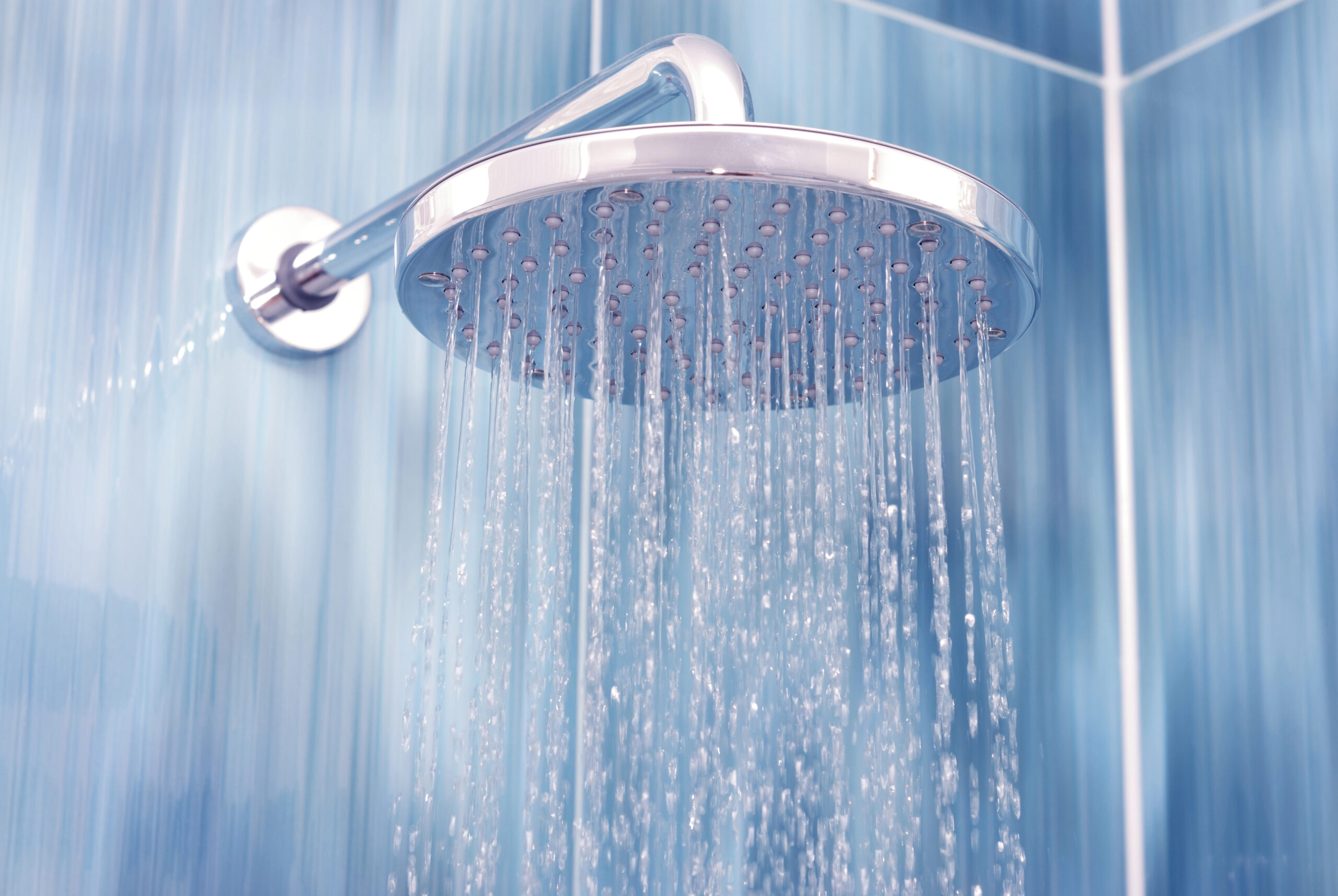
Cold water therapy covers everything from turning the shower cold for the last minute to an ice bath, a cold plunge or an open water swim. Temperatures and durations vary widely, and so do the claims made for them.
If you have searched for cold water therapy you have probably come across Wim Hof, known as The Iceman, who has done more than anyone to popularise cold exposure through the Wim Hof Method. He has previously held Guinness World Records for swimming under ice, for prolonged full body contact with ice, and for a barefoot half marathon on ice and snow. Nothing here advocates anything close to that. A cold shower or an open water swim is what most people are actually asking about.
The claims are broad. Athletes use cold water for muscle soreness, people with injuries use it to reduce inflammation, and others turn to cold showers hoping to lift low mood by triggering a rush of happy hormones. The question worth asking of each one is whether anything has actually been measured.
A lot of what gets presented as evidence is anecdotal. Some outcomes are self reported, so a person feels better but there is no biomarker behind it. Others would need decades of data to test properly. None of that makes the claims false. It means the evidence is not there yet.
| Claim | How it is supposed to work | How strong the evidence is |
|---|---|---|
| Improved immune response | Regular cold exposure trains the body's response, and shivering raises catecholamine levels | Weak and contested |
| Higher energy and better mood | An endorphin release similar to the feeling after hard exercise | Widely reported, rarely measured |
| Reduced muscle soreness | Cold constricts blood vessels, which reduces swelling after intense exercise | The strongest of the claims, though soreness is hard to measure objectively |
| Reduced body fat | Cold activates brown fat, which burns energy to generate heat | A plausible mechanism, little evidence of a practical effect |
| Boosted metabolism | Resting metabolic rate rises with consistent cold exposure, and staying warm in cold water costs energy | Limited |
| Longer life | Cold stress engages a survival response involved in DNA repair | Untested in humans, and very difficult to test |
How well supported each claim is, based on the evidence available.
This is the most heavily contested claim in the list. The one study we could find, carried out in the Netherlands, reported that cold showers led to a 29% reduction in people calling in sick for work. That is a self reported outcome in a workplace setting, and it could be explained by any number of variables.
Two mechanisms are usually offered. The first is that viruses such as flu and the common cold thrive in cold conditions, so regular exposure to cold improves the body’s ability to fight them off. Against that, there is also evidence that cold exposure suppresses immune function, which would cancel out any benefit. The second is that shivering raises metabolic rate and increases the concentration of a group of hormones called catecholamines, which may slightly activate the immune system. That is a mechanism rather than a result, and it needs further study before it means much in practice.
That euphoric feeling after a hard session, where energy lifts and you feel better about yourself, comes largely from endorphins. These are hormones the body releases to relieve stress and pain, and they can produce a sense of euphoria when they bind to receptors in the body.
The same hormones may be released in response to cold water, which would explain why people report feeling more energetic and in better spirits after a cold shower. This is the claim with the most enthusiastic reporting behind it and the least objective measurement. Feeling better is a real outcome. It is not the same as a demonstrated physiological effect.
This is the best supported claim in the list and the one most likely to interest anyone training seriously. Cold numbs pain by constricting blood vessels, which reduces swelling. Delayed onset muscle soreness, usually shortened to DOMS, is caused by tiny tears in the muscles following intense exercise, and the body responds to that damage with inflammation. Reduce the swelling and you reduce the soreness.
A small number of studies support this, most notably work on cyclists who reported less soreness after an intense session when they were immersed in cold water for ten minutes afterwards. The caveat is the one that runs through this whole article. Soreness in the days after hard training is very difficult to measure objectively, so a reported reduction is hard to verify.
The body holds two types of fat. White fat stores surplus calories for later use, and it accumulates when intake consistently exceeds what the body needs. Brown fat behaves differently. It carries receptors for a hormone called norepinephrine, which is released when the body gets too cold. When those receptors detect it, brown fat cells start producing energy, generating heat to help regulate body temperature. The calories used come either from food or from white fat stores, and that is the basis for the claim that cold exposure could reduce body fat.
The metabolism claim rests on similar ground. Evidence is limited, though some studies have found that basal metabolic rate, the calories the body burns at rest, increases with consistent cold exposure. Whether or not there is a lasting effect, the body works hard to keep itself warm while submerged, and that costs energy. A quick cold shower will not register. An open water swim in temperatures under about 20 degrees Celsius is a different proposition.
The most ambitious claim is that cold does something for lifespan. One scientist, Dr Barnish, has suggested that regular exposure to uncomfortably low temperatures appears to activate longevity genes by engaging our survival response, which matters for making sure DNA is repaired before new cells are produced.
Testing that properly is close to impossible with current methods. It would mean controlling hundreds of variables across a study running for decades. Until the technology to test it improves, it stays a hypothesis rather than a finding.
Sudden immersion in cold water triggers an involuntary gasp and a rapid rise in heart rate and blood pressure. In open water that is dangerous, and for anyone with a heart condition it is dangerous anywhere. Never swim in open water alone, never enter cold water after drinking, and speak to a doctor first if you have a heart condition, high blood pressure, a circulatory condition, or if you are pregnant. Build exposure up gradually rather than starting with the longest, coldest option you can find.
Clients raise this, usually after seeing it somewhere rather than after reading a study, and a straight answer is more useful than either enthusiasm or dismissal. The honest position is that the soreness claim has some support, the mood claim is widely reported but poorly measured, and the immune, fat loss and longevity claims are not settled.
Two things sit comfortably within a trainer’s remit. Being able to say what the evidence does and does not show, and being able to point out that a recovery habit is worth far less than sleep, food and sensible programming. Recovery, and how to talk to clients about it, is part of what is covered on a Level 3 personal trainer course. If a client’s question is really about pain or an injury rather than ordinary soreness, that is a referral to a clinician, not a conversation about ice baths.
One more thing worth saying plainly. The placebo effect is powerful, and a habit someone enjoys and sticks with has value even where the mechanism is unproven. Cold water is cheap and, taken sensibly, low risk. It is simply not the thing that will make the difference.
Restructured into blocks, added a summary table setting out how strong the evidence is for each claim, added a safety warning the original did not carry, and added a section on how to answer the question when a client asks.
Josie Winfield
Head of Training
Josie has worked in fitness for eight years, first as a personal trainer and now as a tutor and assessor at Create. She has competed in CrossFit at elite level and specialises in nutrition.
Reviewed by Faizana Karim, Eleven years in practice, specialising in women's hormone health.
More about Josie →