Health, weight, environmental impact, ethics and cost are the five reasons people give for eating more plants. Here is what each one is worth, and what to plan for if you make the switch.
 Josie Winfield
Head of Training · 8 January 2023 · 5 min read
Reviewed by
Faizana Karim
Eleven years in practice, specialising in women's hormone health
Josie Winfield
Head of Training · 8 January 2023 · 5 min read
Reviewed by
Faizana Karim
Eleven years in practice, specialising in women's hormone health
For more information on our content creation process, view our Editorial Policy.
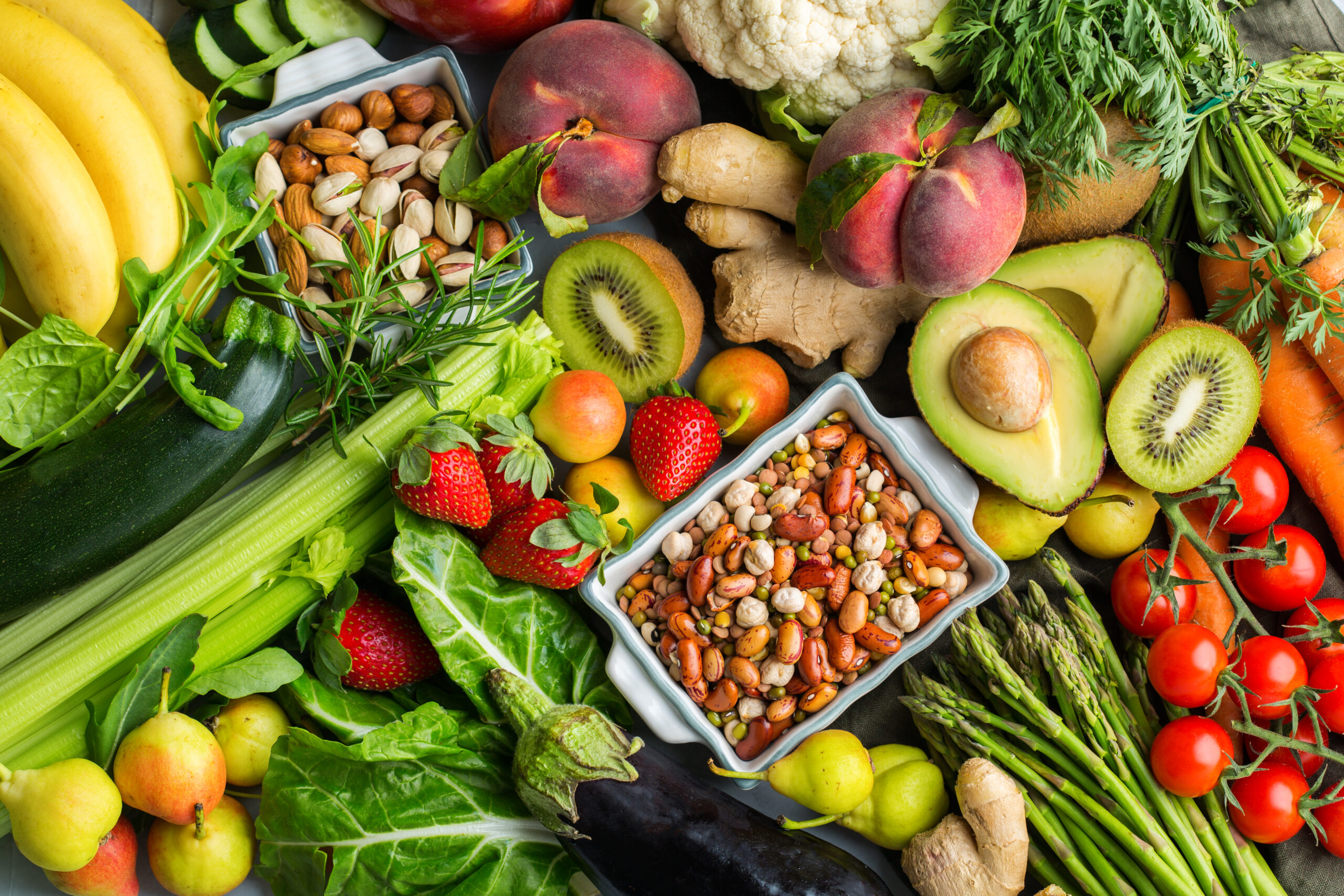
A plant-based diet is built mainly around whole, minimally processed plant foods: vegetables, fruit, pulses, grains, nuts and seeds. People move towards one for a mix of reasons, usually some combination of health, weight, environmental impact, ethics and cost.
If you are doing Veganuary, or simply eating more plants and less meat, here are the five benefits most often claimed, and what is worth knowing about each.
A way of eating built mainly around whole plant foods: vegetables, fruit, pulses, wholegrains, nuts and seeds, with animal foods reduced or removed.
It is not a synonym for vegan. Vegan is an absolute and it extends beyond food to anything animal derived. Plant-based describes the balance of a diet, so someone eating plant-based may still include some fish, eggs or dairy. It does not automatically mean healthy either. Chips, biscuits and heavily processed meat substitutes are all plant based.
Plant foods tend to be rich in fibre, micronutrients and antioxidants, and diets built around them are associated with a lower risk of chronic conditions including heart disease, type 2 diabetes and certain cancers. Diets high in fruit and vegetables have been linked to a lower risk of heart disease, and diets rich in pulses and wholegrains to a lower risk of type 2 diabetes. Plant-based diets also tend to be lower in saturated fat and cholesterol, which is part of the same picture.
Worth keeping in proportion. These are associations drawn from population research, and people who eat this way often differ in other ways too. The direction of travel is well supported. The size of the effect for any one person is not something anybody can promise.
Whole plant foods are generally lower in calories for their volume and higher in fibre, so they tend to be more filling for fewer calories. That makes a calorie deficit easier to hold, and a calorie deficit is the mechanism behind any weight loss, plant-based or otherwise.
The effect depends entirely on what replaces the meat. Building meals from vegetables, pulses, fruit and grains is a very different proposition from living on heavily processed vegetarian alternatives, which can be as calorie dense as the foods they stand in for.
Producing animal foods generally requires more land, water and other inputs than producing plant foods, and carries a larger carbon footprint. Eating more plants and less meat lowers the footprint of your diet. It is a small contribution individually and a meaningful one at scale.
For a lot of people this is the deciding factor rather than a side benefit. Some object to using animals for food at all. Others object to particular farming practices. A plant-based diet lets people eat in line with what they believe, which is a reason that does not need a health benefit attached to it.
Eating this way can be cheaper, though it depends what you buy. Pulses, grains, frozen vegetables and in-season produce are among the cheapest food available, and cooking in bulk brings the cost down further. Meat substitutes, ready meals and out-of-season imports do the opposite.
A plant-based diet can meet every nutritional need, but it does not do so by accident. Protein, iron and zinc take more thought, and vitamin B12 is found almost exclusively in animal foods, so fortified foods or a supplement are usually needed. Protein can come from beans, lentils, tofu and other pulses, and iron from dark leafy greens and fortified cereals, though iron from plants is absorbed less readily than iron from meat. Anyone who is pregnant, feeding a child on a plant-based diet, or managing a medical condition should get advice from a GP or a registered dietitian rather than working it out alone.
Tracking what you eat for a few weeks is the quickest way to find out whether a new way of eating actually meets your needs, rather than assuming it does. An app such as MyFitnessPal lets you set calorie and macronutrient targets and scan meals in, which makes the gaps obvious fast.
If you are advising someone else, know where the line sits. General healthy eating guidance is within a personal trainer’s scope of practice, and nutrition at that level is covered on a Level 3 personal trainer course. Prescribing a diet to treat a medical condition is not, and that is a referral to a registered dietitian. Clients who eat this way are usually well informed about it, so being straight about what you do and do not know goes a lot further than improvising.
Restructured into blocks, added a definition distinguishing plant-based from vegan, added a section on the nutrients that need planning, and added an FAQ.
Josie Winfield
Head of Training
Josie has worked in fitness for eight years, first as a personal trainer and now as a tutor and assessor at Create. She has competed in CrossFit at elite level and specialises in nutrition.
Reviewed by Faizana Karim, Eleven years in practice, specialising in women's hormone health.
More about Josie →