For more information on our content creation process, view our Editorial Policy.
Why recovery is part of the programme, not an afterthought
Progress does not happen during a session. It happens in the hours and days afterwards, when the body adapts to the stress it has just been put under. Recovery is the period where performance is built and where injury risk is managed, which is why it deserves the same planning as the training itself.
This is the first in a series of deep dives into the evidence behind common practice in the industry. It covers three of the most talked about recovery techniques and what the research currently supports for each:
Ice baths, or cold water immersion (CWI)
Foam rolling, or self-myofascial release (SMR)
Rest
Create covers cold water immersion for a general audience in does cold water therapy really work. This piece is written for trainers programming for clients.
The short version
Ice baths help most after competition, not after every session The evidence supports cold water immersion for acute recovery from intense events. Used routinely after resistance training it may work against the adaptation you are training for.
Foam rolling is one of the better supported tools Recent studies report reduced soreness, improved range of motion and faster lactate clearance, with no measured cost to strength or performance afterwards.
Duration matters more than the roller Texture and hardness made little difference in testing, provided each area was rolled for at least 120 seconds.
Rest is where adaptation happens Muscle repair, strength gains and endurance improvements all occur during rest, not during the session. Skipping recovery days slows progress.
There is no single recovery plan Training phase, client goal, sleep, nutrition and life stress all change what the right protocol is. Individualise it and review it.
Ice baths: what cold water immersion actually does
Cold water immersion means submerging part or all of the body in cold water, typically between 7°C and 15°C (45°F to 59°F). Research protocols run from 30 seconds to as long as two hours. Practical use with athletes and gym clients usually sits between 1 and 15 minutes.
Systematic reviews and meta-analyses from 2024 and 2025 give a more nuanced picture than the marketing around cold plunges suggests.
What the evidence supports
Stress reduction. A 2025 systematic review in PLOS ONE found a notable reduction in perceived stress around 12 hours after immersion. Effects measured immediately and one hour after were not statistically significant.
Sleep quality and quality of life. The same review reported improvements in both, but no significant effect on mood. Work from Stanford Longevity (May 2024) suggests possible mood benefits, so this remains an open question.
Inflammation. Cold water immersion appears to trigger an acute inflammatory response, with markers rising immediately and one hour after immersion. Whether that initial surge feeds a useful longer term adaptation is not established (PLOS ONE, January 2025).
Post-competition recovery. Research summarised by ACE Fitness (March 2024) supports cold water immersion after athletic competition, most likely through its effect on perceived soreness and inflammation.
Where the evidence runs out
Broader health claims for the general population, immune function in particular, are described as being on thin ice by Mayo Clinic Press (April 2024). The PLOS ONE review calls for more high-quality randomised controlled trials across more diverse populations.
A study indexed on PubMed (December 2024) found hot water immersion, not cold, was more effective at restoring late-phase rate of force development after exercise-induced muscle damage.
Regular ice baths after lifting may blunt muscle growth
If a client is in a hypertrophy phase, be careful with cold water immersion straight after resistance training. The inflammatory response that immersion dampens is part of the signalling that drives muscle adaptation, so routinely cutting it short may work against the goal (One Peloton, March 2025; PLOS ONE, January 2025).
Ice baths: what to take away
Foam rolling: what self-myofascial release does
Self-myofascial release is a self-massage technique, usually performed with a foam roller, aimed at relieving tension in muscle and the connective tissue around it. The proposed mechanisms include breaking up adhesions, improving blood flow, and acting on the nervous system to reduce muscle tone and pain perception.
The research base here has grown, and it is more consistently positive than the cold water literature.
Recovery. A Nature Scientific Reports study (July 2024) found foam rolling beneficial for post-exertional recovery, both immediately and over a longer period.
Delayed onset muscle soreness. The same study observed reduced pain perception, and research summarised by ScienceDirect suggests foam rolling is moderately effective at relieving post-exercise soreness.
Range of motion. Foam rolling can increase flexibility and joint range of motion without reducing strength or performance afterwards (Signos). A study in the International Journal of Sports Physical Therapy (January 2025) also reported improvements in range of motion, for example in ankle dorsiflexion.
Lactate clearance. The Nature study found a statistically significant improvement in blood lactate clearance compared with passive rest.
Pressure pain threshold. Research published on PMC (September 2024) showed foam rolling can raise the pressure pain threshold, meaning reduced sensitivity to pressure in the treated area.
Roller type and duration
The Nature study compared smooth, grooved and serrated rollers and found that texture and hardness did not significantly change the recovery outcome, provided the rolling lasted at least 120 seconds per area. Choice of roller comes down to experience and sensitivity rather than effectiveness.
Not every measure improves. A meta-analysis noted in ScienceDirect found rolling produced only slight improvements in local and remote pressure pain thresholds, with effects that were not significant across every outcome measure or muscle group. Context matters.
How to coach it
Spend roughly 2 to 3 minutes per major muscle group, or at least 120 seconds per area if you are working to the Nature protocol. Roll slowly and keep control of the pressure. When a tender spot is found, pause and hold moderate pressure for 30 to 60 seconds, or until the tension eases. Avoid rolling directly over joints, bony prominences or acutely injured areas.
Foam rolling: what to take away
Rest: the part of the week that does the adapting
Strenuous training creates microscopic damage in muscle fibres. Those fibres repair and rebuild during rest, not during the session, and that adaptive process is what produces muscle growth, strength and endurance improvements (UCHealth, March 2025; Xceleration Fitness, May 2024). Skipping recovery days can slow progress and, over time, reverse it. Studies suggest muscle may need at least 48 hours to recover fully after an intense session.
Active and passive recovery
Active recovery, meaning low-impact, low-intensity movement such as walking, light cycling, swimming or yoga on a rest day, can beat complete rest for reducing soreness and promoting blood flow. Passive recovery still has its place, particularly for systemic recovery, nervous system recuperation, and preventing the cumulative fatigue that leads to overtraining.
How many rest days
The general guidance is 1 to 3 rest days a week (GoodRx; Men’s Health, September 2024), and the right number depends on training intensity and volume, fitness level, age, sleep, nutrition and overall life stress. Beginners often need 2 to 3. Well-conditioned athletes tend to replace some of those with structured active recovery (Swolverine, March 2025).
Rest between sets
A systematic review and Bayesian meta-analysis in Frontiers in Sports and Active Living (August 2024) suggests inter-set rest of more than 60 seconds may offer a small benefit for hypertrophy, probably by protecting volume load, meaning the total weight lifted. The National Strength and Conditioning Association has traditionally recommended shorter rest periods of 30 to 90 seconds for hypertrophy, on the basis of acute hormonal responses, and the Frontiers review questions how directly those hormonal surges drive growth. The review also found the effect on volume load plateaus beyond 90 seconds, with no appreciable difference in hypertrophy detected past that point for the measures analysed.
Rest: what to take away
Putting it together for different clients
There is no single recovery plan. The skill is matching the tools to the client’s goal, their training phase and how they respond. The table below sets out three common cases.
Client
Rest
Foam rolling
Cold water immersion
Post-marathon or endurance event
Passive rest first, then gradual active recovery such as light walking or swimming. Sleep and nutrition are the priority
Gentle work in the days after the event to address tightness and promote blood flow
Reasonable immediately after the race if tolerated and accessible, for soreness and acute inflammation
Hypertrophy phase
Scheduled rest days, sufficient sleep, and inter-set rest of more than 60 seconds
Regular use for mobility and trigger points between sessions
Use cautiously and infrequently, especially straight after training, because of the potential to blunt adaptation
General fitness and wellbeing
One to two rest days a week, which can include active recovery
Two to three times a week, in warm-ups, cool-downs or on rest days
Optional. Fine if the client enjoys it and finds it helps, but not a necessity
Example approaches by client type. Adjust for individual response, sleep, nutrition and life stress.
Where this leaves you as a trainer
Recovery science moves. What holds up across these three techniques is that each has a defined job and none of them is a general purpose fix. Ice baths earn their place after hard competition and lose it during a building phase. Foam rolling is cheap, low risk and reasonably well supported. Rest is the one that does the actual adapting, and the one clients are most likely to skip.
The part that is yours to do:
Explain the reason behind each recommendation, so a client understands why a rest day is not lost time.
Build body awareness. Help clients read their own energy, soreness, sleep and motivation.
Correct the myths. Recovery is one of the most oversold areas in fitness.
Monitor and adapt. Track feedback, performance markers and how the client feels, and change the protocol when what you are seeing changes.
Do ice baths stop muscle growth?
Not on their own, but regular cold water immersion straight after resistance training may reduce the adaptation you are training for. The inflammatory response that immersion dampens is part of the signalling for muscle growth. If a client is in a hypertrophy phase, keep cold water immersion away from the hours after a lifting session.
How cold should an ice bath be, and how long should it last?
Research protocols commonly use around 10°C to 15°C. Start clients at 1 to 5 minutes and build towards 10 to 15 minutes only with experience and tolerance. Anyone with a cardiovascular condition or Raynaud's phenomenon should speak to their doctor first.
How long should you foam roll each muscle?
Roughly 2 to 3 minutes per major muscle group. A 2024 study found roller texture made little difference to recovery outcomes provided each area was rolled for at least 120 seconds.
Does foam rolling reduce muscle soreness?
The evidence points that way. Recent studies report reduced pain perception and moderate relief of post-exercise soreness, alongside improved range of motion and faster blood lactate clearance than passive rest.
How many rest days a week should a client have?
One to three is the usual guide. Beginners often need two to three. Well-conditioned clients may replace some with active recovery. Training intensity, volume, sleep, nutrition, age and life stress all shift the answer.
How long should you rest between sets for muscle growth?
A 2024 review suggests more than 60 seconds may give a small advantage for hypertrophy by protecting volume load. Beyond about 90 seconds no appreciable further difference was detected for the measures analysed.
Is active recovery better than complete rest?
They do different jobs. Low intensity movement tends to be better for soreness and blood flow. Complete rest matters for systemic and nervous system recovery, and for avoiding the cumulative fatigue that leads to overtraining.
Restructured from the original newsletter format into an article. Email-specific wording removed, findings grouped by technique, a client-by-client comparison added, and the studies cited in the text collected into a sources list.
Josie has worked in fitness for eight years, first as a personal trainer and now as a tutor and assessor at Create. She has competed in CrossFit at elite level and specialises in nutrition.
8+ years in the fitness industryTutor and assessorElite level CrossFit competitorNutrition focus
Reviewed by Glenn Coburn, Curriculum Manager at YMCAfit, tutoring and assessing since 2013.
Ready to see where your career could lead?Download the guide to learn pricing, learner journey and the right course for youDownload the info & price guide
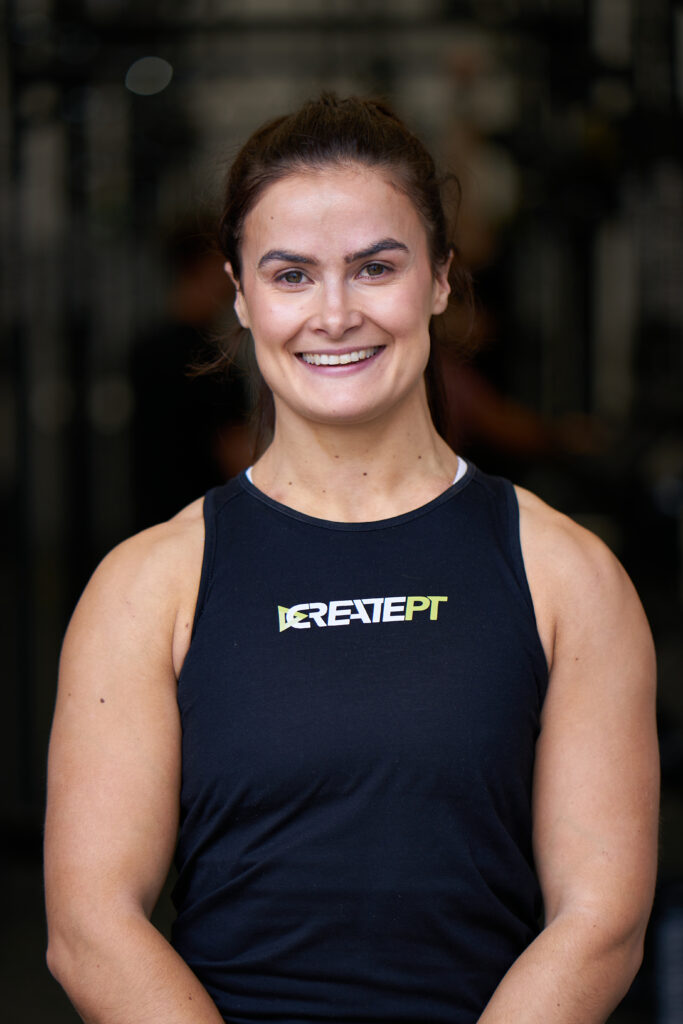 Josie Winfield
Head of Training · 14 June 2025 · 11 min read
Reviewed by
Glenn Coburn
Curriculum Manager at YMCAfit, tutoring and assessing since 2013
Josie Winfield
Head of Training · 14 June 2025 · 11 min read
Reviewed by
Glenn Coburn
Curriculum Manager at YMCAfit, tutoring and assessing since 2013