Credentials, proof and approachability, in that order. What potential clients check before they book, and how to make each one easy to find.
 Josh Thursby
Founder & CCO · 20 October 2021 · 4 min read
Reviewed by
Adam Rhodes
Owned a gym for eight years before founding Create
Josh Thursby
Founder & CCO · 20 October 2021 · 4 min read
Reviewed by
Adam Rhodes
Owned a gym for eight years before founding Create
For more information on our content creation process, view our Editorial Policy.
Personal training is a service business before it is a fitness business. Clients are buying a result and, just as much, the confidence that you are the right person to get them there. What clients are looking for in a personal trainer is fairly consistent: evidence that you are qualified, evidence that you have done it before, and the sense that they can be honest with you.
Those three things decide most enquiries. Everything below is about making each of them easy to find.
Clients research before they commit, and the first thing most of them check is what you are qualified to do.
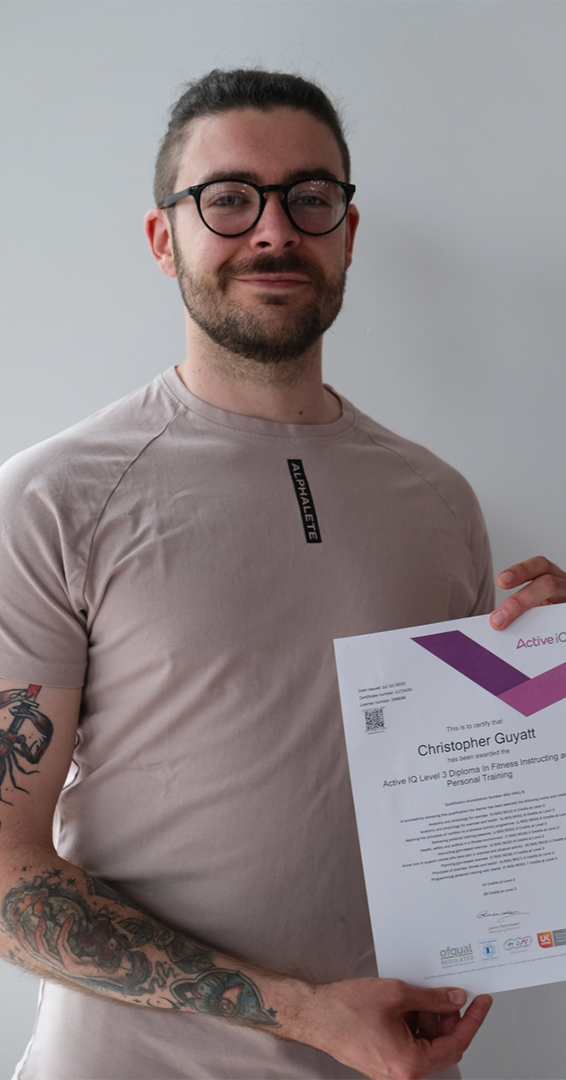
Expect questions about your qualifications, where you trained, and what you specialise in. A recognised qualification is the baseline, so make it visible on your profile, your social media, and anywhere else a client might find you. Create’s Level 2 and 3 combined personal trainer course is the standard route into the job, and the full course range covers where to go after it.
If you are still deciding whether this is the career for you, how to become a personal trainer sets out the route.
Nothing wins a client over like the results of the people you have already worked with. A testimonial does a job no self-description can, because it answers the question the client is actually asking: has this worked for someone like me?
Collect them from the start, and collect the specific ones. A client saying you are a great trainer is worth less than a client saying they could not do a full press-up in January and did ten in June. Ask permission, keep a small set covering different goals, and keep them somewhere a potential client can find without having to ask.
Clients also look for someone they can be honest with. Personal training is more hands-on than most services, and a client who is embarrassed to tell you they skipped three sessions and ate badly all week is a client you cannot help properly.
That comes down to how you present yourself and how you communicate. Listen more than you talk in a first session, ask questions that are not about training, and be clear about what happens next. People skills are learnable, and they are what turn an enquiry into a client relationship that lasts.
The technical knowledge and the practical skills are only part of the job. Once you are qualified you still have to approach strangers on the gym floor, build rapport with them, convert an enquiry into a booking, and then keep that client long enough for the results to show. Those are the skills that decide how full your diary is.
Rewritten to remove out-of-date references to gyms reopening after lockdown, restructured around what a client checks before booking, and updated with current course links, a preparation checklist and an FAQ.
Josh Thursby
Founder & CCO
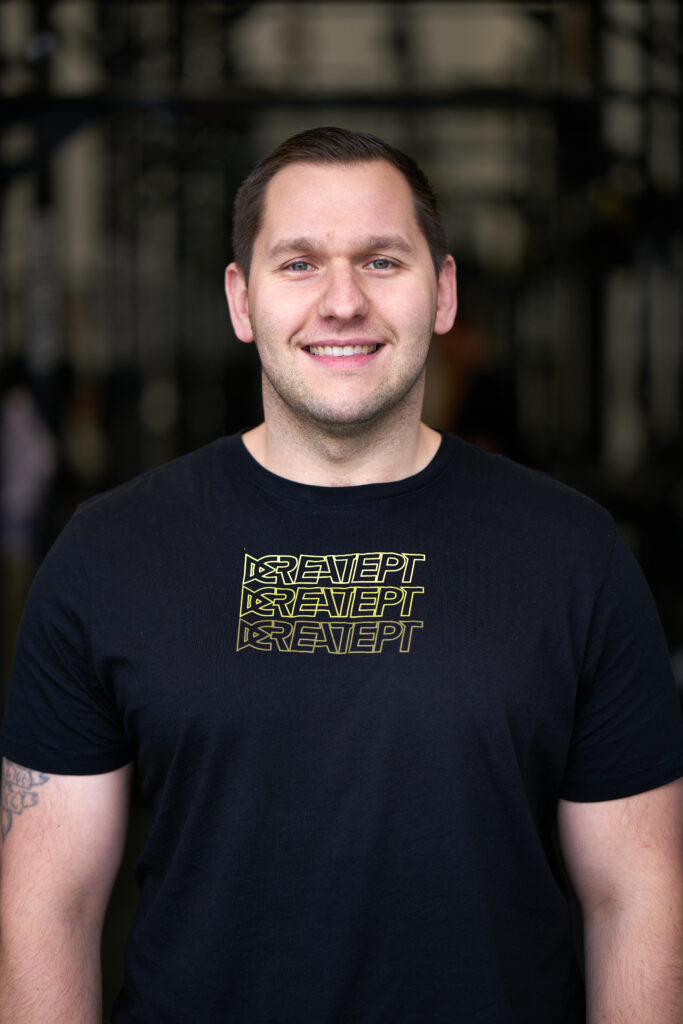
Josh qualified as a personal trainer in 2008 and spent twelve and a half years training clients face to face, delivering 45 to 55 sessions a week at his peak. He co-founded Create and writes about the commercial side of the job.
Reviewed by Adam Rhodes, Owned a gym for eight years before founding Create.
More about Josh →