 Lewis Coldham
Tutor, PT & S&C Coach · 20 November 2024 · 4 min read
Reviewed by
Glenn Coburn
Curriculum Manager at YMCAfit, tutoring and assessing since 2013
Lewis Coldham
Tutor, PT & S&C Coach · 20 November 2024 · 4 min read
Reviewed by
Glenn Coburn
Curriculum Manager at YMCAfit, tutoring and assessing since 2013
It’s important for personal trainers working with clients recovering from anterior cruciate ligament (ACL) or medial collateral ligament (MCL) knee injuries to understand the rehabilitation process, including knowing the right exercises to use. ACL and MCL injuries are common, especially among athletes, and proper guidance in the gym can significantly aid recovery.
It is worth noting that we don’t recommend developing rehab strategies for your clients without them consulting a professional such as a physiotherapist. However, it can be a great option to work with your client’s physio to help expedite recovery.
ACL and MCL recovery typically occur in three main phases: acute, intermediate, and advanced.
Each phase presents different physical capabilities and limitations, so you as a personal trainer will need to pick exercises based on your client’s current stage.

In the early stages of recovery, your primary goals with your client will be to manage pain, reduce inflammation, and maintain muscle activation around the knee without excessive strain. Exercises in this phase should be low-impact and should focus on isometric and gentle mobility exercises. Quadriceps sets, heel slides and ankle pumps may all be suitable here.
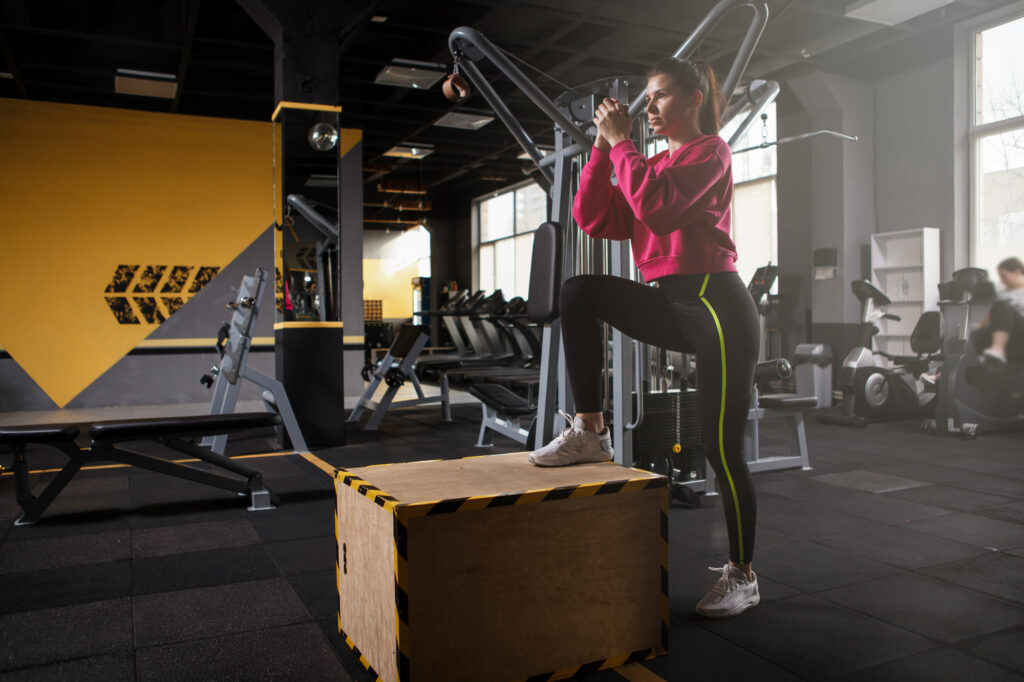
With phase 1 done, now you will want to introduce low-resistance strength exercises that focus on muscle balance and knee stability for your client (though be sure to get their own physiotherapist or medical practitioner to sign off on it all). At this stage, you’re really looking to reinforce the surrounding muscles, which will support the healing ligaments and prevent further injury. Mini squats with a stability ball are good here, as are resistance band lateral steps and step-ups.

Once your client has gained a solid foundation in strength and stability, you’re ready to begin some advanced functional exercises with them – phase 3. Again, speak to their physiotherapist or medical practitioner before moving into this phase.
The advanced phase focuses on restoring full functionality, and exercises should challenge balance, coordination, and muscle endurance, preparing your clients for a safe return to regular activities or sports. Single-leg balance work, lunges using proper form, and leg press machines are all good exercises for phase 3.
As well as exercises for ACL and MCL injuries themselves, we can also invest some time in ACL prehab exercises. Prehab exercises for MCL/ACL focus on building strength, stability, and flexibility to reduce injury risk. Key exercises include squats for leg strength, single-leg balances to enhance knee stability, glute bridges for hip support, and lunges to improve coordination. These movements help fortify muscles and joints, preparing the body for activity.
You can make a profound difference in your client’s journey to full rehabilitation simply by incorporating these ACL and MCL recovery exercises in their program, tracking them through each successive phase as appropriate and closely monitoring their progress.
They may be nervous, in pain, and feeling a little like they’ll never recover. This is where you step in – inspire, encourage, sympathise, motivate, and get them to where they need to be. Because let’s be honest – what else is a personal trainer for?
Lewis Coldham
Tutor, PT & S&C Coach
Lewis holds a BSc in Strength and Conditioning from the University of Central Lancashire and spent four years in injury rehabilitation at West Ham United Academy. He leads Create's Level 4 Strength and Conditioning Diploma.
Reviewed by Glenn Coburn, Curriculum Manager at YMCAfit, tutoring and assessing since 2013.
More about Lewis →