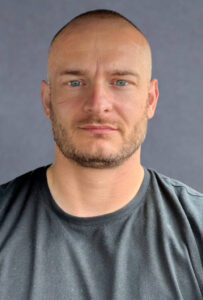
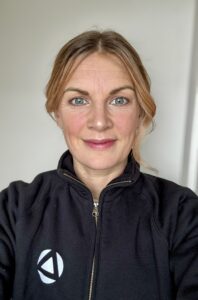
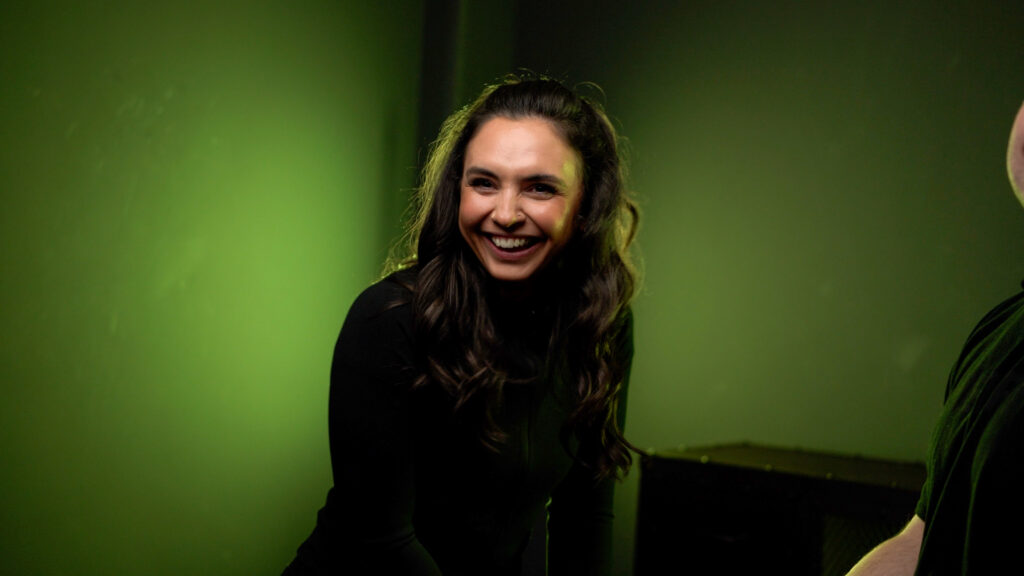
▶ Watch Sophie
Be the reason someone walks out of the gym stronger than they walked in. Every route into personal training sits on this page, so it does one job: what each one costs, how long it takes, and who it is actually for.
Most personal training qualifications have not really changed in fifteen years. New standards get written, then folded into the same two separate courses, taught in isolation with nothing joining them up. Change is coming to this industry either way, so we would rather teach for the job than for the certificate.
Same teaching, same support, same guarantee on all four. The only thing that changes is how far you specialise.
Six rows, all of which differ. Anything identical across all four routes is not on this table, because a row of ticks tells you nothing.
Before you pick a course, it helps to know what you are actually buying a route into.

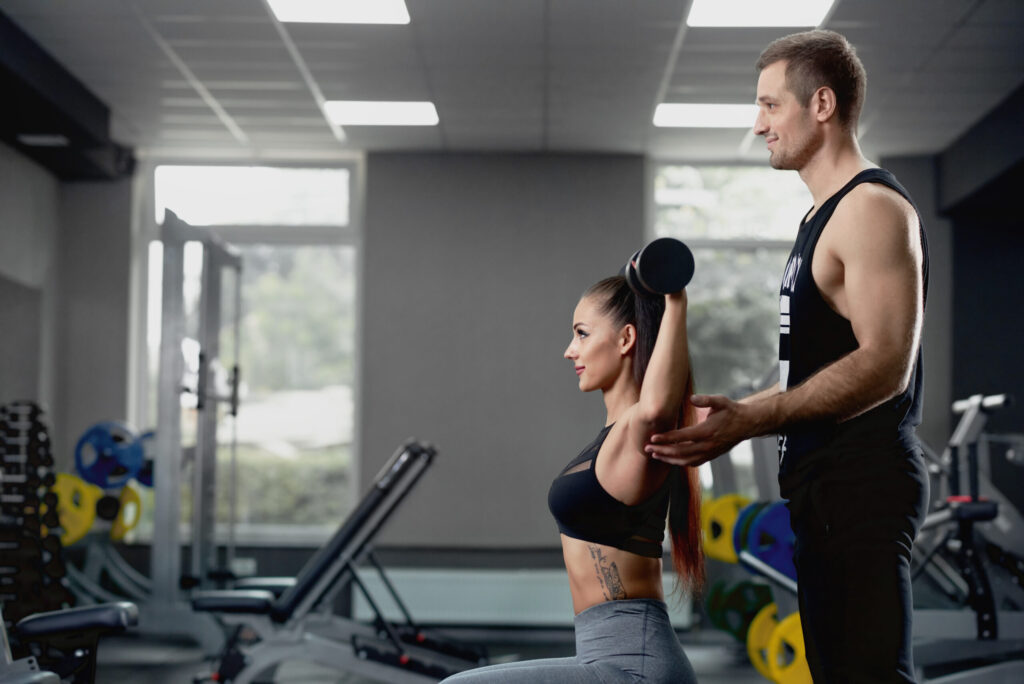
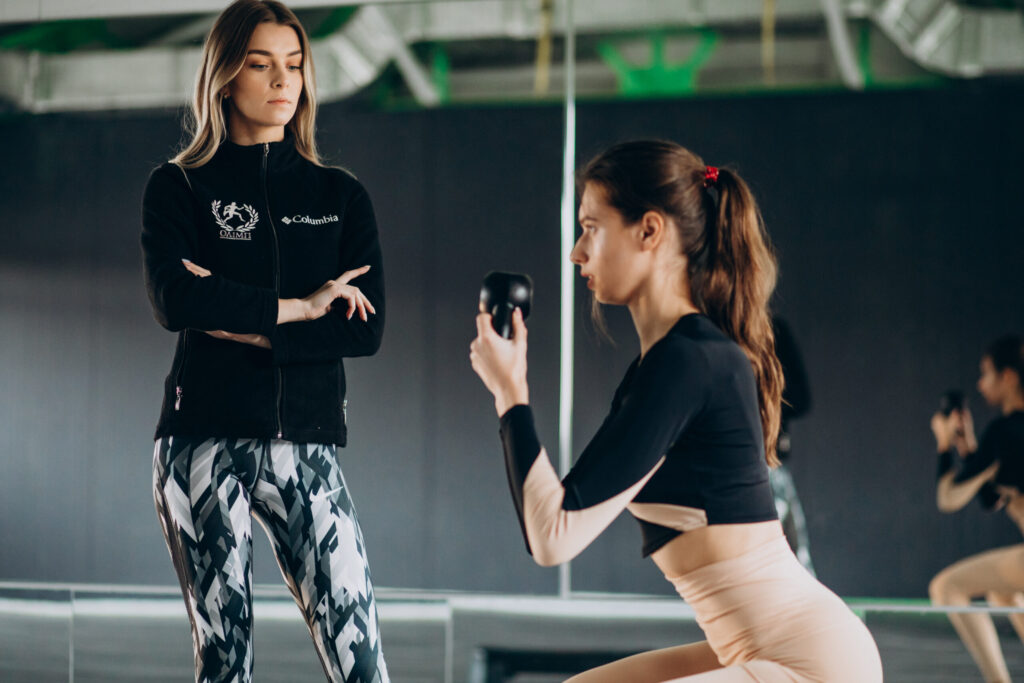
A personal trainer is paid to change how someone lives, not how they look by August. Most of the job is the same handful of things done well and repeatedly: a first conversation that gets to the truth, a plan that fits the week someone actually has, and enough coaching on the floor that they keep turning up when motivation has gone.
The technical side is real and it matters. You need to know how the body adapts, how to load a movement safely, how to progress someone who has plateaued and how to spot the person in front of you who should be seeing a GP instead. But the part that decides whether you last is not technical. It is whether people trust you, and whether they come back.
Where you do it is more open than most people expect. Some trainers are employed by a gym, on a salary with hours on the floor. Some rent space and keep what they earn. Some coach online and never meet a client in person. We have written up the employed and self-employed models side by side if you want the detail. Plenty of people do two at once, and most change shape at least once in the first few years.
The first year is the hard one, and it is rarely hard for the reasons people assume. It is not the anatomy. It is finding clients, pricing your time without apologising for it, and keeping a diary full through January and through August. That is why business planning and client acquisition sit inside our diploma rather than being sold to you afterwards as a course on being self-employed.
None of this needs a qualification you do not have yet. You need to be sixteen, and you need to want the job for longer than a New Year. If you are weighing it up, our guide to becoming a personal trainer walks the whole route, and the income calculator will show you what a full diary is actually worth.

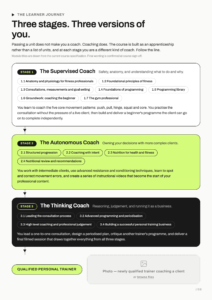
Study around whatever job you have. Most people finish the Level 2 and 3 diploma in eight to twelve weeks, working through it in evenings and on days off rather than taking time out.
The first decision is employed or self-employed. Employed means a floor role, a wage and a steady stream of members to talk to. Self-employed means keeping what you earn and finding it yourself. Neither is the wrong answer and most people try both.
The year that decides it. Sessions come from conversations, not adverts. Retention matters more than acquisition, because a client who stays a year is worth ten who stay a month. This is where most people who leave the industry leave it.
The trainers who do well stop being available to everybody. Women's health, older adults, online, strength and conditioning: picking one means you get recommended for something specific rather than considered for everything.
Useful feedback, fast, so you are not waiting a fortnight to find out whether you passed.
Ask a tutor a question and hear back the same working day, not at the end of the week.
Resubmit for as long as you have course access, at no extra cost. Nobody pays twice to get something right.
A team of six tutors and coaches on personal training, not a ticketing queue. Working trainers, assessors and S&C coaches who still coach.
The only provider in the UK to offer it. Not a trial period. Not credit towards something else. Your money back.
98.8% of learners rate the course as satisfactory or better. A qualification people do not rate is not worth selling, so if the course does not do what we say it does, we should not be keeping your money.
You have 14 days from the day you enrol to change your mind, for any reason. Fully online courses keep the full 14 days. Where a course includes in-person elements and you attend one inside the 14 days, the cancellation right ends at that point.
A separate promise that applies once you have completed the course. It is not a cancellation right and it is not affected by the 14 day period. Both exist, and you do not have to choose between them.
▶ Watch Sophie
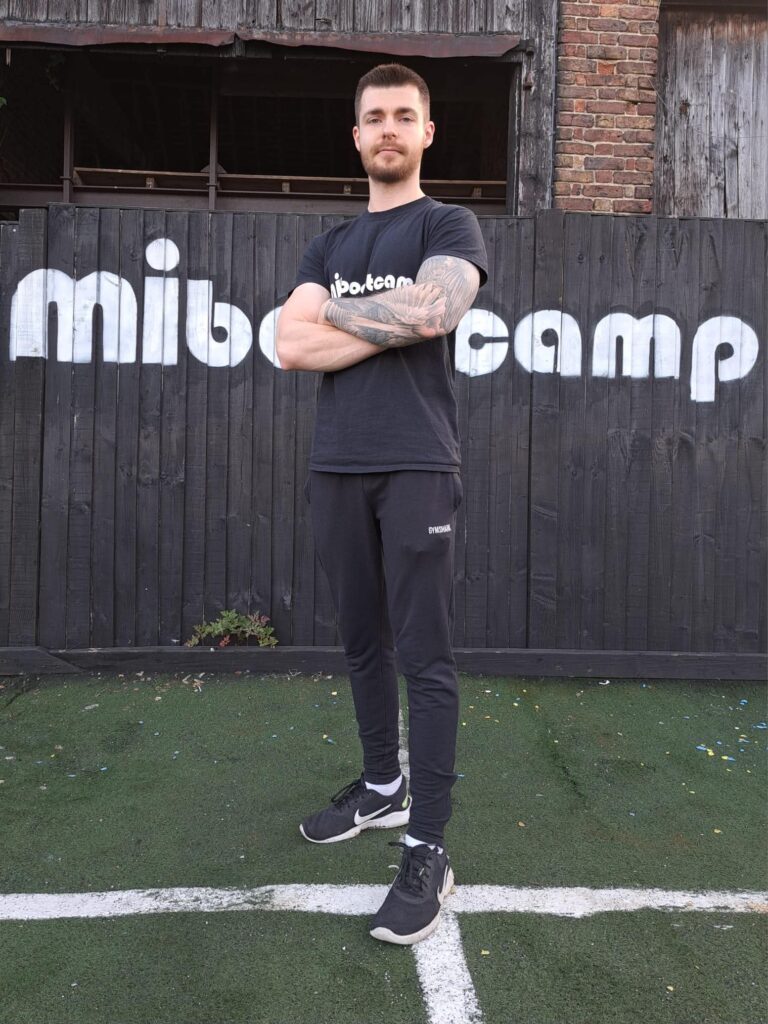
▶ Watch Greg D
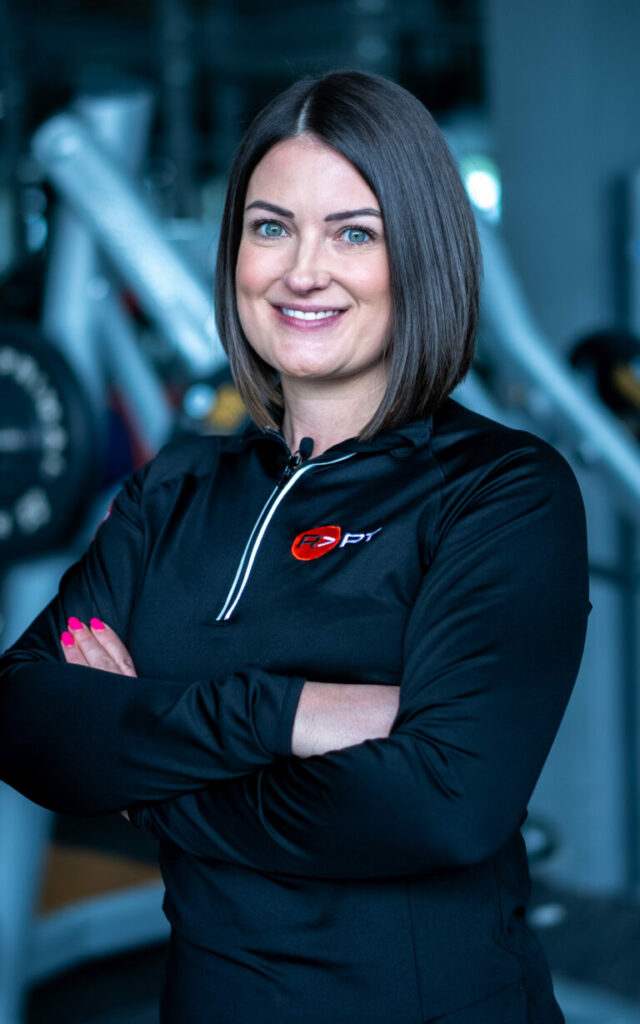
▶ Watch Becky
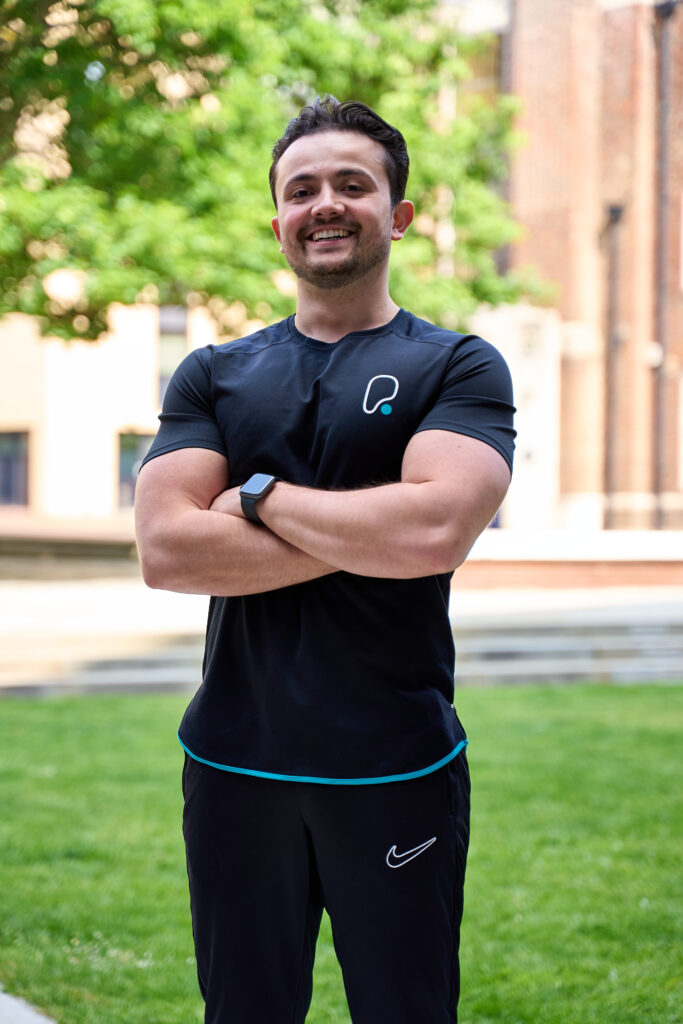
▶ Watch Moe
Personal Training · 11 min read
If you have spent any time looking at personal training courses, you will have seen the CIMSPA logo on almost all of them. Most…
Read the articleYes. The diploma is built to get you client-ready: you’ll leave with the structure, systems and approach needed to launch and run an online coaching business, including how to package and price your services, the systems to grow your business, how to generate leads and convert them to paying customers, and much more. As with any business, your results depend on how consistently you apply what you learn.
Yes. The course gives you the structure, systems and approach to build an online fitness coaching business from the ground up – covering how to package and price your services, the systems to grow your business, how to generate leads and convert them to paying customers, and much more. Your results will depend on how consistently you apply it, and you’ll have support from our team along the way.
Yes – we offer interest free payment plans up to 12 months.
No. Level 2 qualifies you to work as a gym instructor; you need a Level 3 Personal Training qualification to work as a PT (designing programmes and training clients one-to-one). Most people progress straight from Level 2 to Level 3 — often taking them together to become career-ready sooner.
No. This diploma integrates Level 2 and Level 3 into one continuous programme, so you can start with no prior qualification and finish fully qualified to work as a personal trainer. There are no other entry requirements, e.g. minimum age or fitness prerequisites.
No. The package includes the Level 2 Gym Instructor and Level 3 Personal Training qualifications, so you can start from scratch.
No. It includes Level 2, 3 and 4, so you can start from scratch and progress all the way through in one pathway.
Yes. Level 2 Gym Instructor is the foundation that Level 3 Personal Training builds on, so it’s a required step to becoming a PT. Most learners complete both together in one programme, which is faster and more cost-effective than taking them separately.
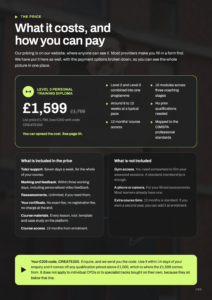
The diploma on its own is £1,499 this September. With a specialist qualification it is £1,599.
September prices: Level 3 Personal Training Diploma £1,499, or £1,599 with one specialist qualification included. The specialist qualification is worth £599. Choose from Female Coach, Health Coach or Online Coach. One specialism per enrolment. The £200 September reduction is already applied to both prices shown, so it cannot be claimed again or added to another discount. Offer ends 23:59 on 30 September 2026. Deposit terms apply at checkout. 14 day cancellation.